The Ecological and Cultural Consequences of Border Infrastructure in Protected Wilderness
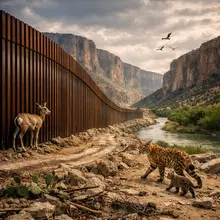
The proposal to construct border walls through protected landscapes, such as Big Bend National Park and various Texas state parks, represents a profound conflict between national security policy and the preservation of irreplaceable natural heritage. These regions are characterized by fragile ecosystems, rare biodiversity, and deep cultural histories that remain incompatible with the permanent installation of industrial-grade steel fencing.
Disruption of Critical Wildlife Corridors
Big Bend National Park, spanning over 800,000 acres, serves as a vital sanctuary for hundreds of species. The installation of a border wall creates a physical barrier that truncates wildlife migration routes, which are essential for genetic diversity and survival. According to the Center for Biological Diversity, wall construction threatens at least 93 endangered species that rely on cross-border movement for food, water, and mating.
In the arid climate of the Chihuahuan Desert, access to the Rio Grande is a life-or-death necessity. Biologist Dr. Aaron Flesch notes that the Rio Grande serves as the primary water source for numerous species in an otherwise punishing environment. The installation of rigid infrastructure restricts access to this riparian corridor, effectively isolating populations and increasing the risk of local extinctions for mammals such as the Mexican gray wolf and the ocelot.
Degradation of Geological and Archaeological Sites
The terrain within Texas border parks is often rugged and geologically significant. Construction involves heavy machinery, road grading, and lighting installations that cause permanent scarring to the landscape. The National Park Service maintains strict mandates to protect these lands, yet border infrastructure projects often bypass environmental impact studies under various legal waivers.
Furthermore, these areas are rich in indigenous history. The Archaeological Institute of America has frequently voiced concerns that construction activities jeopardize sites containing artifacts from prehistoric hunter-gatherer societies. By leveling hillsides and excavating trenching for wall foundations, priceless historical records are destroyed long before they can be documented or protected.
Economic and Tourism Impacts
National and state parks in Texas generate significant revenue through ecotourism, attracting hikers, birdwatchers, and researchers from around the globe. Big Bend National Park alone draws hundreds of thousands of visitors annually, contributing millions of dollars to the local Texas economy. The introduction of industrial border walls fundamentally alters the visitor experience, replacing pristine vistas with steel barriers.
The National Parks Conservation Association has consistently argued that the degradation of wilderness character diminishes the value of the park system. When the aesthetic and environmental integrity of a park is compromised, visitor numbers decline, directly impacting the livelihoods of gateway communities that depend on sustainable, low-impact tourism.
Legal and Constitutional Precedents
The construction of border barriers often utilizes the REAL ID Act of 2005, which grants the Secretary of Homeland Security the authority to waive all legal requirements—including the National Environmental Policy Act and the Endangered Species Act—to expedite wall construction. This executive power effectively overrides the management authority of the National Park Service and Texas Parks and Wildlife Department, creating a precedent where federal security initiatives can unilaterally dismantle the legal protections afforded to public lands.
Conclusion
Building a border wall within Big Bend or other Texas state parks is an act that trades long-term ecological stability for short-term political visibility. The damage caused by fragmentation of habitat, destruction of cultural sites, and the erosion of public trust in protected spaces creates a net loss for the nation. Preserving these parks requires recognizing that wilderness boundaries are defined by nature, not by the tactical requirements of border patrol operations.